
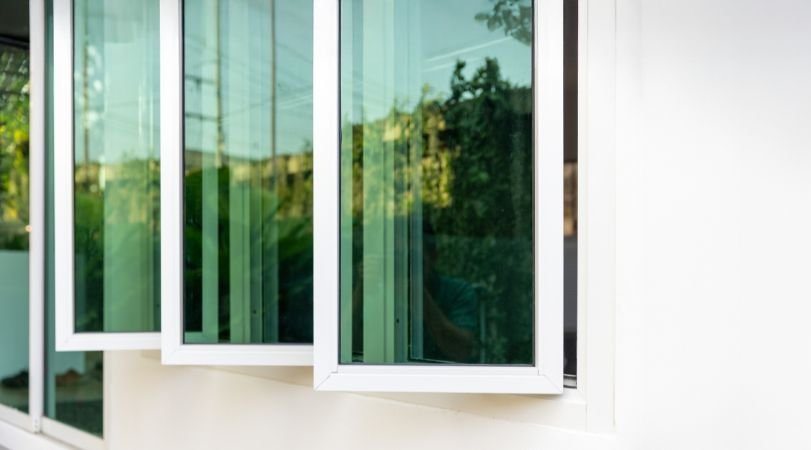
When it’s time to replace your windows, the choice often comes down to vinyl or aluminum. Both are popular, durable, and energy-conscious, but they age very differently. Here’s a clear look at which material truly stands the test of time.
Durability and lifespan
Vinyl windows typically last 20 to 40 years, while aluminum models last 30 to 45 years, depending on installation and climate. However, vinyl resists corrosion, fading, and rust better in humid or coastal regions. Aluminum, on the other hand, is structurally stronger but can corrode over time if not properly coated.
In coastal California, vinyl tends to outlast aluminum simply because salt and moisture wear down metal frames faster.
Maintenance and weather resistance
Vinyl requires almost no maintenance, it never needs painting and doesn’t peel or flake. Aluminum windows are tougher against physical impact, but they conduct heat and cold more easily, which can lead to condensation or thermal transfer.
According to the U.S. Department of Energy – Energy Saver: Windows, Doors, and Skylights, aluminum is a poor insulator unless it has a thermal break, an insulating barrier between inner and outer frame sections. Without it, you’ll lose energy fast.
Energy efficiency comparison
Vinyl frames naturally insulate better. ENERGY STAR – Energy Efficient Windows notes that ENERGY STAR–rated vinyl windows can improve home energy performance by 15–25%. Aluminum frames, even with modern improvements, still allow more heat flow. That means higher A/C costs in summer and more heating loss in winter.
If you live in Anaheim or similar climates, vinyl provides better year-round comfort and lower energy bills.
Strength and aesthetics
Aluminum frames are slimmer and can hold larger glass panels, ideal for modern designs or large openings. Vinyl is slightly bulkier, which can limit the view, but it offers better soundproofing and insulation. For homeowners focused on performance over style, vinyl usually wins.
Cost and value over time
Vinyl windows are generally 20–30% cheaper than aluminum options. Beyond the lower upfront cost, the reduced maintenance and higher energy savings make vinyl more cost-effective in the long run. Aluminum windows might appeal for their sleek look and strength, but they don’t always justify the higher price unless structure is the top priority.
If your goal is long-term performance with minimal maintenance, vinyl windows last longer in real-world conditions, especially in humid or coastal climates like Anaheim. Aluminum may be stronger, but vinyl stays efficient, quiet, and low-cost for decades.
When properly installed, both materials perform well, but vinyl consistently delivers the best balance of lifespan, comfort, and savings.
Verified sources used: